Caring and not admitting fault are not opposites.
After an incident, groomers panic into one of two mistakes: a flustered confession that concedes liability they may not owe, or a cold, defensive brush-off that wrecks the relationship. Both come from believing you have to choose between being kind and being protected. The right words in that charged moment are the ones nobody teaches.
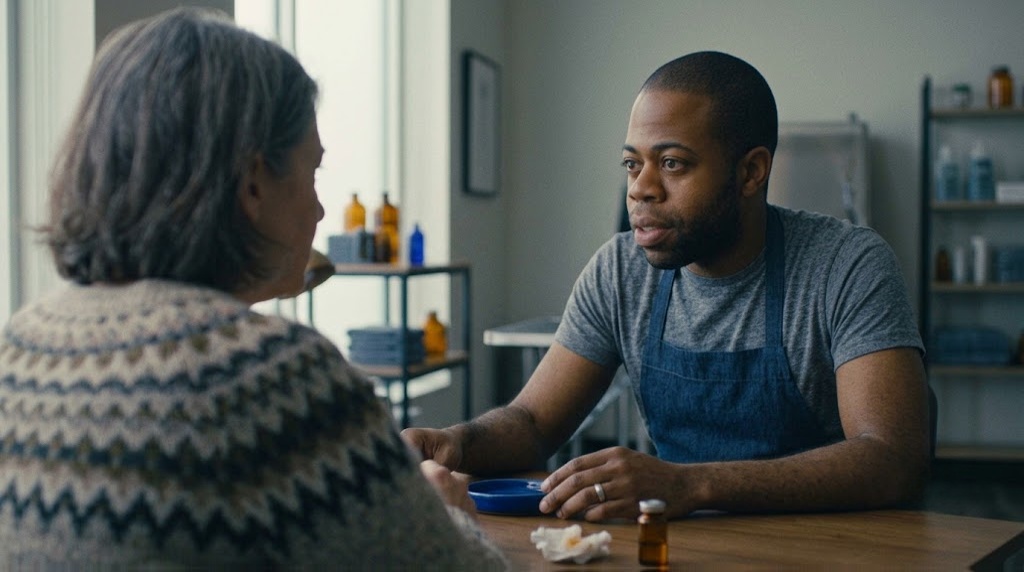
When a client angrily blamed Maria for a limp, the panicked "I must have done it" was right there. She'd drilled the safe phrases, so out came "I'm so sorry to see him limping, let's get him to a vet and I'll look into what happened." It turned out pre-existing, and a blurted confession would have conceded fault for nothing. (Illustrative example.)
Who this is for
Groomers who want to handle the post-incident conversation with real warmth and real protection at once, disclosing, answering accusations, and choosing words that don't come back to bite them.
By the end, you'll walk out knowing
You'll walk away with a finished plan
What you'll work through
5 short, plain-language lessons — most under five minutes. Read them or watch the slides, at your pace.
- 1
- 2When a client accuses you of hurting their dog6 min
- 3What to say vs. what to never say5 min
- 4Staying professional without admitting fault5 min
- 5Your post-incident conversation system5 min
The toolsyou'll use
Spreadsheets you copy and fill in as you go — yours to keep, unlocked when you enroll.
Your instructor
Julia had the bad day early — the dog that went sideways — and learned the hard way that stopping is a skill. She teaches safety and risk from the inside: reading a dog, handling the difficult ones, and knowing the exact moment to put the clipper down.
Not happy with the course for any reason? Email us within 14 days of purchase for a full refund.
Reading, handling, and protecting yourself around the dogs that make grooming risky — before, during, and after a difficult appointment. Finish all 9 courses to earn the GC-DG credential — the full certification is $369.
See the full certification →